Oregon missing unified data collection, complaint process for farmworkers, report says
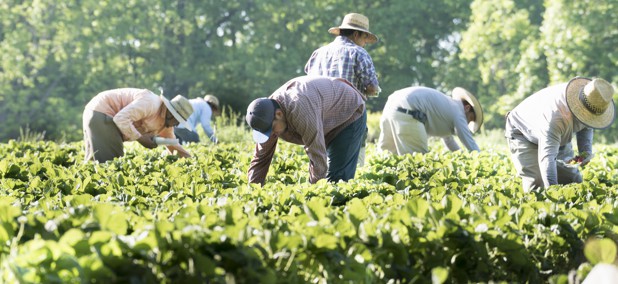
The lack of clear metrics makes it harder for the state to track the wellbeing of farmworkers throughout the state, the report argues.
The report highlighting Oregon's missing unified data collection and complaint process for farmworkers is significant because it affects the state's ability to ensure the wellbeing of these essential workers. Farmworkers play a crucial role in Oregon's agricultural industry, and without accurate data, it is challenging for the state to identify areas where support is needed. This lack of information can lead to inadequate protection and resources for farmworkers, potentially putting their health and safety at risk.
The absence of a unified data collection system and a clear complaint process also underscores the need for better oversight and regulation in the agricultural industry. Other states have implemented similar systems to track farmworker wellbeing and address concerns, demonstrating that it is possible to establish effective mechanisms for support. In the context of the industry, this report serves as a reminder that farmworkers' rights and wellbeing are essential to the long-term sustainability of agriculture, and that states have a responsibility to protect these workers.
As the state considers the report's findings, it will be important to watch for potential legislative or regulatory changes aimed at addressing the gaps in data collection and complaint processes. Additionally, advocacy groups and industry stakeholders may push for increased transparency and accountability in the treatment of farmworkers. Individuals concerned about farmworkers' rights and the broader implications for the agricultural industry should pay attention to these developments, as they may have a significant impact on the lives of farmworkers and the future of Oregon's agricultural sector.
Originally reported by route-fifty.com. PersonalNews adds analysis for government & civic readers.