NJ lawmaker wants to blunt impacts of AI in the workplace
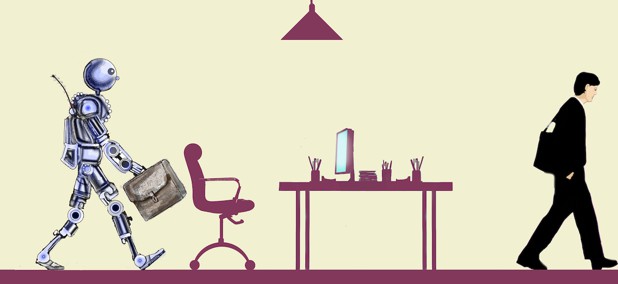
Sen. Andrew Zwicker is behind a bill that would restrict when employers can use algorithms, models, computations and other such tools.
As automation and artificial intelligence continue to transform the modern workplace, New Jersey lawmakers are considering legislation to mitigate its impact on workers. Senator Andrew Zwicker's proposed bill aims to restrict when employers can use AI-powered tools, such as algorithms and models, in hiring and employment decisions. This move reflects growing concerns about the potential for AI to displace jobs, exacerbate existing biases, and erode worker protections.
The use of AI in the workplace is a rapidly evolving trend, with many companies leveraging these technologies to streamline operations, improve efficiency, and reduce costs. However, critics argue that the unchecked adoption of AI can have negative consequences for workers, including job displacement, decreased autonomy, and increased surveillance. By introducing legislation to regulate the use of AI, New Jersey lawmakers are taking a proactive approach to addressing these concerns and ensuring that the benefits of technological progress are shared fairly among workers and employers.
As this bill moves forward, it's worth watching how it balances the need to protect workers with the need to allow businesses to innovate and remain competitive. Will other states follow New Jersey's lead in regulating AI in the workplace, or will federal lawmakers take a more comprehensive approach to addressing these issues? Additionally, how will companies adapt to potential new restrictions on AI, and what implications might this have for workers in various industries?
Originally reported by route-fifty.com. PersonalNews adds analysis for government & civic readers.